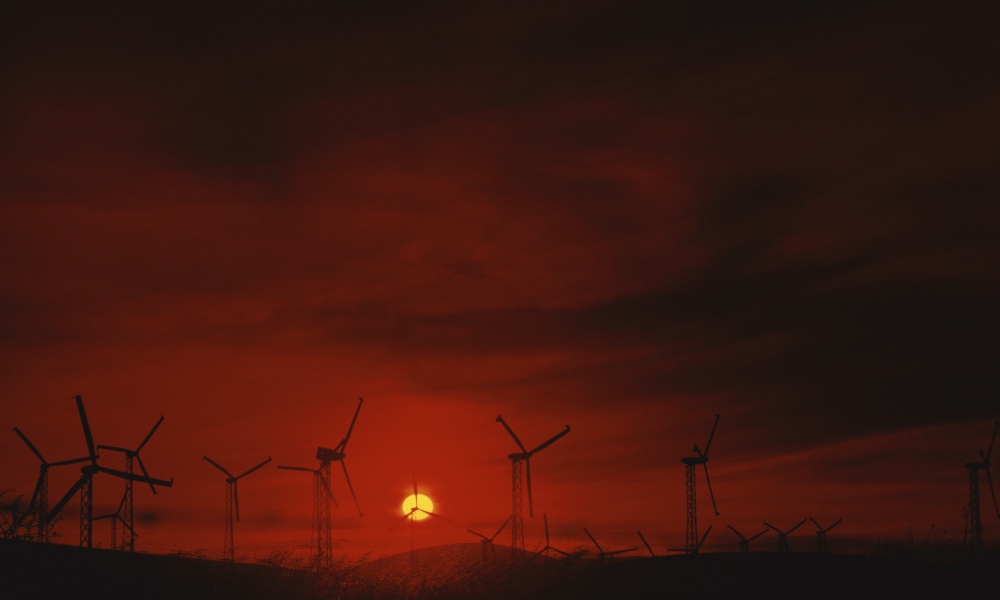





The EU-funded CRETE VALLEY project is transforming the Greek island of Crete into a Renewable Energy Valley (REV), demonstrating how decentralised, secure and community-based energy systems can meet local energy demand through clean sources.

Supported by the European Union, the initiative aims to strengthen local energy self-sufficiency and security while contributing to Greece and Europe’s climate neutrality targets.
Why islands are ideal test environments
Islands typically face structural energy challenges, including:
Unstable and seasonal demand
High generation costs
Weak grid infrastructure
Limited access to financing
However, their strong renewable resource base, close-knit communities and high energy prices make them suitable pilot regions for innovative energy systems.
According to Elissaios Sarmas of the Institute of Communication and Computer Systems, which coordinates the project, Crete offers exceptional renewable potential. With nearly 300 sunny days per year, the island provides optimal conditions for photovoltaic deployment. Mountainous regions offer significant wind capacity, while agricultural and livestock byproducts create additional biomass potential.
Four community energy laboratories
The Cretan Renewable Energy Valley consists of four community energy labs, each based on different renewable combinations:
Arkalochori: Solar, wind and biomass
Arvi: Solar and geothermal
Lasithi Plateau: Wind and biogas
Atherinolakkos: Hydrogen
These decentralised systems are designed to generate, distribute and consume renewable energy within the same geographical area. The objective is to meet the annual energy demand of local communities while actively involving residents in energy production and management.
Beyond technical deployment, the project integrates community participation to better understand local needs and develop tailored energy solutions.
Addressing regulatory and social challenges
CRETE VALLEY also addresses structural barriers often encountered in community energy projects. Regulatory frameworks that favour larger players and the limited technical knowledge of new stakeholders can hinder participation.
To overcome these challenges, the project team is:
Co-designing a shared vision of Renewable Energy Valleys
Engaging local opinion leaders
Organising thematic laboratory sessions
Applying participatory mapping to capture local identity and place-based concerns
Community energy projects can reduce energy inequality, but they may also risk excluding vulnerable groups if participation requires resources or technical expertise. The project therefore implements iterative stakeholder mapping and inclusive engagement processes to maintain legitimacy and ensure broad participation.
A replicable European model
Through CRETE VALLEY, the island of Crete is being positioned as a model for sustainable, decentralised energy systems capable of covering local demand through renewable sources.
The initiative aims to demonstrate a scalable framework that could be replicated in other island and regional contexts across Europe.
The project underlines a broader shift in the energy transition: beyond capacity expansion, long-term resilience increasingly depends on decentralisation, local ownership and inclusive governance models.